


Common Beauty Habits That Age Your Skin After 50
- DelReySpa
- Oct 17, 2025
- 4 min read
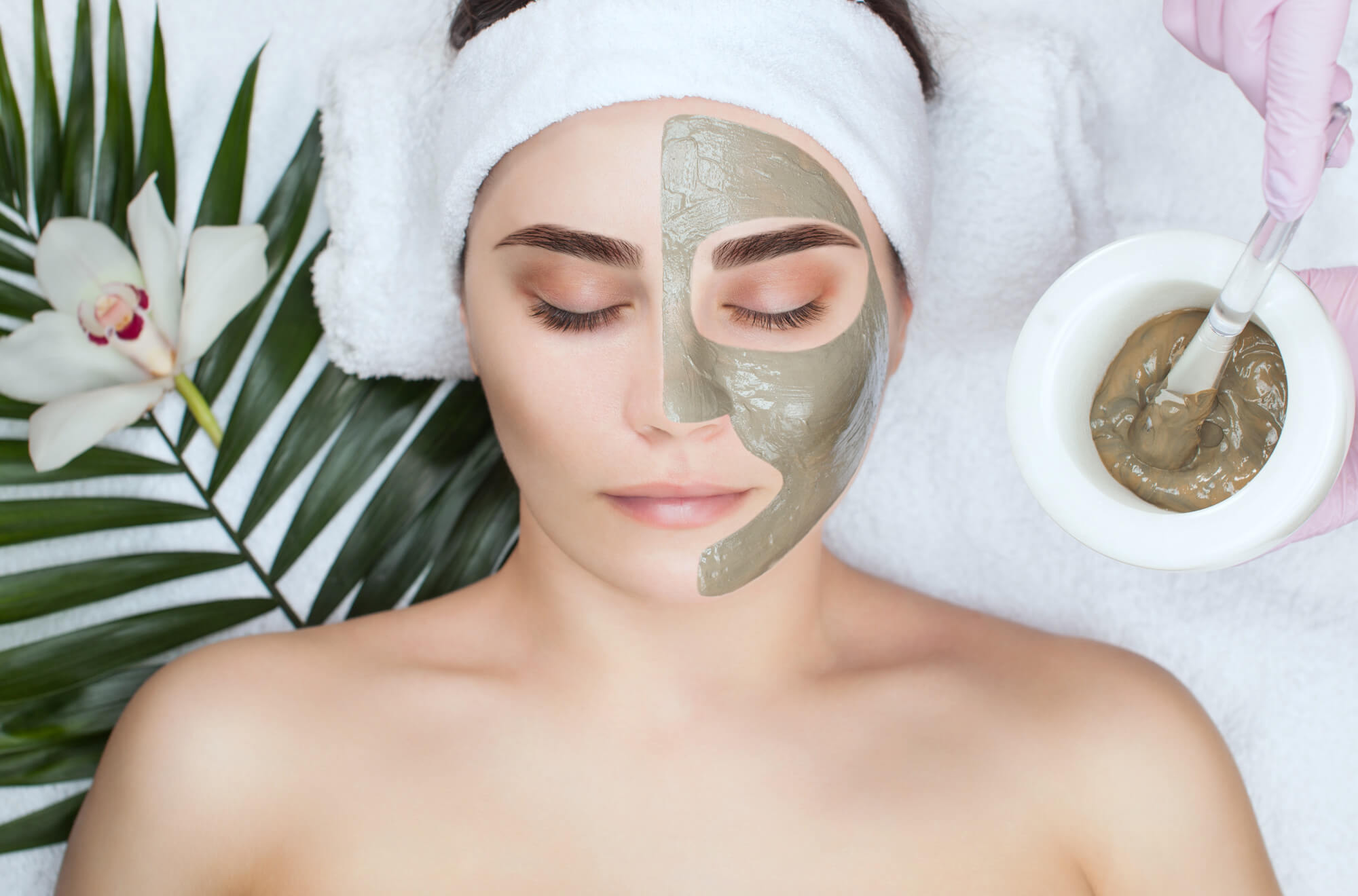
As we cross into our 50s, our skin undergoes profound shifts: barrier function is more fragile, natural oil production declines, collagen synthesis slows, and regenerative processes take longer. What was harmless in your 20s or 30s can now become damaging. In fact, dermatologists consistently identify certain beauty habits that prematurely age mature skin.

At Del Rey Spa, we believe in nurturing aging skin with care, science, and sensitivity. Below are five habits dermatologists warn against after 50 — along with safer alternatives and practical tips you can implement (or guide your clients with).
Overloading Your Routine with Too Many Products
The issue: Layering numerous actives (retinols, acids, brighteners, serums, etc.) can backfire. In mature skin, interactions between actives may disrupt pH balance, damage the lipid barrier, or cause irritation. As one dermatologist notes, “Layering ten products creates chemical warfare on mature skin.”
Why it’s worse after 50: The skin’s barrier (lipids, ceramides, etc.) is more fragile, so it’s easier to compromise it. Once disrupted, moisture escapes, and irritation and inflammation become more common.
What to do instead:
Embrace a streamlined routine of 3–4 well-chosen products rather than 10.
Focus on essentials: a gentle cleanser, a targeted serum (or two), a good moisturizer, and daily sunscreen.
Introduce activities one at a time — give each 4–6 weeks to settle before adding something new.
Periodically “reset” (pause actives) to let skin stabilize.
In practice at Del Rey Spa: During facial treatments, we frequently pause actives and use barrier-repair masks and calming serums to restore balance. We also guide clients to customize and simplify home routines.
Using Mechanical (Physical) Exfoliants Too Harshly
The issue: Scrubs, microbead scrubs, rough brushes — they all physically abrade the skin surface. In younger skin, it’s tolerated; in mature skin, they can create micro-tears, strip essential lipids, and worsen sensitivity.
Why it’s worse after 50: As skin thins, its resilience drops. Mechanical force is more likely to injure it, and those micro-injuries heal more slowly.
Better alternatives:
Enzyme exfoliants (papain, bromelain, etc.) work via chemical breakdown of dead cells, without harsh abrasion.
Gentle alpha-hydroxy acids at low concentrations (e.g., lactic acid) can help if your skin tolerates them.
Use exfoliants no more than once per week (or less, depending on sensitivity).
Always follow with a hydrating, barrier-repairing product.
At Del Rey Spa: We favor enzyme peels or over scrub-based treatments for clients 50+. Between professional sessions, we often recommend an enzyme-based cleanser or mask for once-weekly use.
Overusing Strong Acids (Especially Salicylic Acid)

The issue: Salicylic acid is lipophilic and penetrates deeply into pores, which is great for oily, acne-prone skin. But for postmenopausal skin that already has reduced oil production, it can deplete essential lipids, leading to dryness, inflammation, and persistent sensitivity.
Why it’s worse after 50: Sebum (natural oils) diminish with age, so aggressive acids can push the skin over the edge, stripping what little protective lipids remain.
What to use instead:
Niacinamide (vitamin B3) is a gentler option that supports barrier repair and reduces inflammation.
Ceramide-rich moisturizers help replenish lipids.
Hydrating humectants like hyaluronic acid (in appropriate concentrations) maintain moisture without over-stripping.
How Del Rey Spa approaches it: We tailor peel strength carefully for mature skin; in many cases, we skip or reduce salicylic treatments. At home, we often guide clients toward serums and moisturizers that build the barrier rather than break it down.
Expecting Immediate Results — Neglecting Patience & Consistency
The issue: Many people discard new routines too soon when they don’t see quick results. But mature skin renews more slowly and needs time. As one dermatologist commented: “Barrier repair requires patience … consistency matters more than product quantity.”
What to expect:
Noticeable firmness improvements may take 3 months or more.
Barrier-repair changes (less redness, better hydration) may appear in weeks.
Growing tolerance to actives should be gradual — don’t force pace.
How Del Rey Spa supports you:
We set realistic expectations and timelines for treatments.
We schedule follow-up sessions to monitor progress and adapt your plan.
We offer “maintenance resets” to help when skin starts feeling sensitized or stagnant.
How can we help create a healthy skin glow?
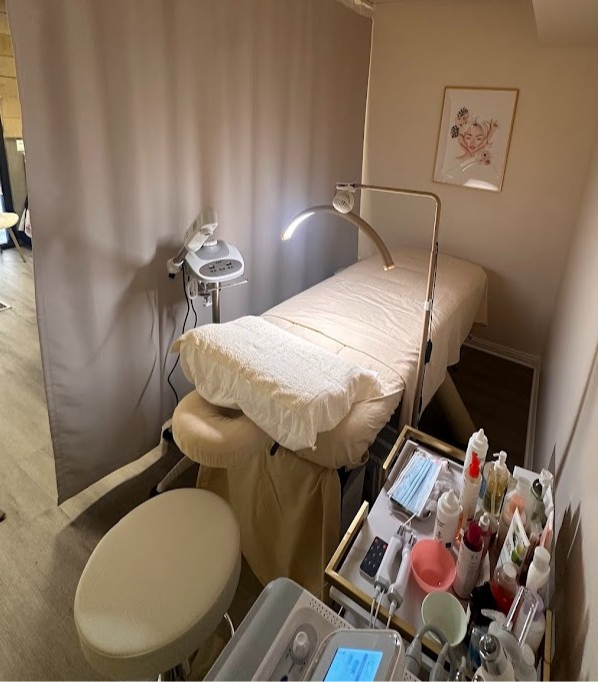
As an esthetician-led spa, our mission is to protect and enhance mature skin with integrity and care. Whether you’re 50 or approaching those years, here’s how we can support you:
Personalized skin assessments — we evaluate barrier health, sensitivities, and structural changes to tailor a regimen.
Gentle, effective treatments — enzyme peels, barrier-repair masks, bio-adaptive serums, and soothing modalities designed for mature skin.
Client education & home regimen coaching — we guide you (or your clients) in building confident, sustainable routines that don’t “overwork” the skin.
Progress tracking & updates — we check in, adjust, and refine so the skin grows stronger, not sensitized.
At Del Rey Spa, we are passionate about helping you discover the benefits of personalized, health-focused treatments. Whether you are new to facial massage or looking to deepen your routine, this simple technique can be a powerful tool in your skincare journey.


Comments